
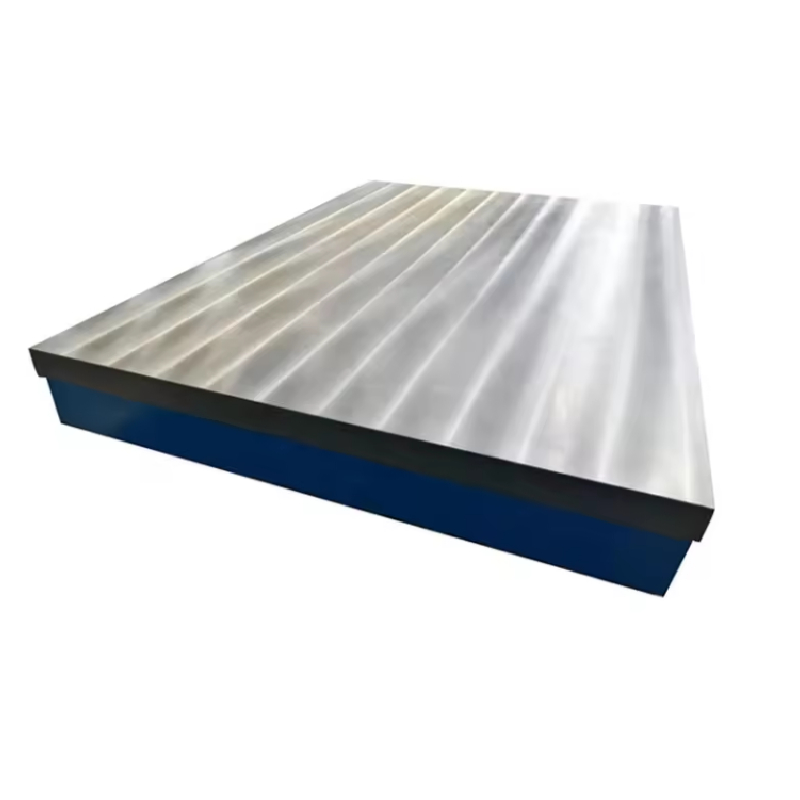
laminated glass panels
Understanding Stainless Steel Check Valves A Comprehensive Overview In the realm of fluid control systems, stainless steel check valves play a crucial role in ensuring the smooth and efficient operation of various applications. These valves are designed to allow fluid to flow in one direction while preventing backflow, making them essential components in industries ranging from water treatment to oil and gas. What is a Check Valve? A check valve, also known as a non-return valve, is a type of valve that automatically prevents backflow in piping systems. When fluid flows through the valve in the intended direction, it opens up, allowing passage. If the flow reverses, the valve closes, thus preventing backflow. This mechanism is vital for maintaining pressure and preventing potential damage to equipment. The Advantages of Stainless Steel Stainless steel, known for its durability and corrosion resistance, is a popular material choice for check valves. Unlike other materials that may degrade over time due to harsh environments, stainless steel retains its integrity under high pressures and varying temperatures. Its resistance to rust and chemical corrosion makes it suitable for a wide range of applications, including food processing, pharmaceuticals, and water treatment. Types of Stainless Steel Check Valves There are several types of stainless steel check valves available, each tailored for specific applications 1. Swing Check Valves These valves use a swinging disc to allow fluid flow in one direction. They are suitable for applications with low flow rates and are often used in water and wastewater systems. stainless check valve 2. Lift Check Valves These feature a movable disc or piston that lifts off its seat to permit flow. Lift check valves are ideal in high-pressure and high-flow applications, making them common in industries like oil and gas. 3. Dual Plate Check Valves These have two plates that open and close to allow or block flow. Their compact design makes them ideal for tight spaces and they are highly efficient in high-volume applications. Application of Stainless Steel Check Valves Stainless steel check valves are widely used across various industries. In water treatment facilities, they prevent backflow, ensuring that clean water remains uncontaminated. In the oil and gas sector, they protect pipelines from backpressure, maintaining system integrity. Additionally, in food processing, these valves meet stringent hygiene standards while effectively managing the flow of liquids. Maintenance and Lifespan One of the significant advantages of stainless steel check valves is their longevity. With proper installation and regular maintenance, these valves can have a lifespan of many years. Routine inspections can help identify wear and tear, ensuring timely replacements and minimizing downtime in operations. Conclusion In conclusion, stainless steel check valves are indispensable in various fluid control systems, offering reliability, durability, and efficiency. Their ability to prevent backflow while withstanding harsh conditions makes them a preferred choice across numerous industries. As technology advances, the designs and applications of these valves will continue to evolve, further enhancing operational efficiency and safety in fluid management systems.
about
laminated glass panels
For tradespeople and technicians, precision is key. A variety of specialized gauges, such as the thread measuring gauge , differential gauge , and metal marking gauge , ensure that every measurement and marking is exact. This guide will highlight the features and benefits of these essential tools, offering insights into how they enhance accuracy in various applications. Understanding the Importance of the Thread Measuring Gauge A thread measuring gauge is indispensable when checking thread pitches and angles in bolts, nuts, and screws. This gauge is designed to verify thread standards quickly and accurately, whether in a factory setting or on-site work. By using a thread measuring gauge, technicians can avoid mismatches and ensure a secure fit, which is crucial for structural integrity in construction, automotive, and mechanical applications. Applications and Benefits of the Differential Gauge In systems that require pressure measurement, the differential gauge is an essential tool. Unlike standard pressure gauges, differential gauges measure the difference in pressure between two points, making it ideal for monitoring fluid flow in pipes, filters, or HVAC systems. Using a differential gauge improves system performance, helping detect blockages or pressure drops that may indicate maintenance needs, ensuring operational efficiency and safety. Precision Marking with the Metal Marking Gauge For anyone working with metal, a metal marking gauge is a tool that enhances accuracy in layout and cutting tasks. This gauge allows for precise lines and markings on metal surfaces, ensuring that each measurement is accurate before cutting, welding, or drilling. The metal marking gauge is commonly used in metalworking, fabrication, and construction to create exact markings, ultimately saving time and reducing errors. Choosing the Right Gauge for Your Needs When selecting a gauge, consider the specific requirements of your work. For threaded components, a thread measuring gauge is ideal, while fluid and pressure systems will benefit from a differential gauge . Meanwhile, a metal marking gauge is best for precise markings on metal surfaces. Choosing the correct gauge can streamline your workflow, improve accuracy, and enhance overall efficiency in your projects. Maintenance Tips for Longevity and Accuracy To ensure these tools perform well over time, proper maintenance is essential. For a thread measuring gauge , clean threads after each use to prevent buildup that could impact readings. For a differential gauge , regularly inspect connections and recalibrate as needed. Keep your metal marking gauge sharp and clean for consistent markings. Regular upkeep of each gauge not only extends its lifespan but also guarantees reliable performance for all future tasks. In conclusion, tools like the thread measuring gauge , differential gauge , and metal marking gauge are critical for achieving precision and efficiency in a range of industrial and craft applications. By selecting the right tool for each task and maintaining it well, you’ll ensure accurate results every time.
-

High quality industrial productsagement

High quality industrial products
View Details -

Meet the diverse needs of customers

Meet the diverse needs of customers
View Details -

Strict quality control

Strict quality control
View Details -

Top raw materials

Top raw materials
View Details -

Trusted supplier

Trusted supplier
View Details
Our application


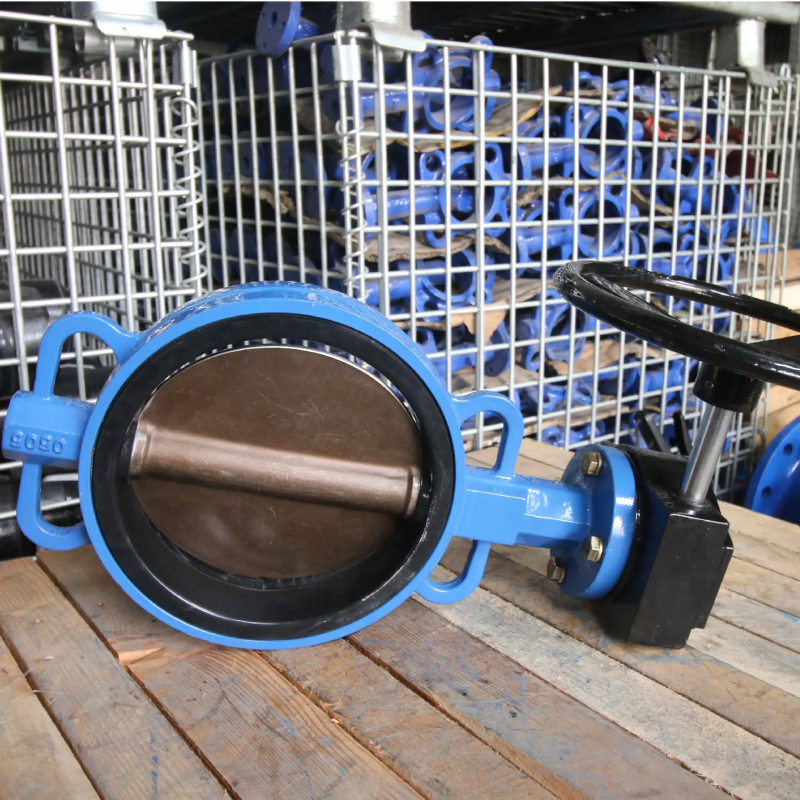
news and information

water valve gate
Understanding Water Valve Gates Their Functionality and Importance Water management is critical in v
Utilizzo di barre d'acciaio nei lavori di costruzione di edifici e strutture
L'importanza delle barre d'acciaio nelle costruzioni edili Nel settore delle costruzioni, l'uso dell
Valvola di ritegno da 4 pollici
La valvola di ritegno da 3 4 pollici è un componente essenziale nei sistemi idraulici e pneumatici.
 English